

When learning how to choose a bathtub, there are a few things you need to take into consideration. First and foremost, you need to decide what type of bathtub is right for your needs and then, of course, the material, size, and price you want to pay.
Slipping into a nice hot bath at the end of your day is probably one of the most relaxing ways to end your day.
In this article, we cover all the things that you will need to take into account, from the different materials to the different installation types, and we will also look at some of the extra features you can install in your bathroom that will make your bath time an absolute pleasure.
Most Popular Bathtub Types
There are several types of bathtubs on the market, but these are the most popular:
Freestanding Bathtub

If you have a large bathroom and the space to fill, then a freestanding bathtub is an excellent choice. These tubs come in all sorts of shapes, sizes, and materials.
The most common type of freestanding bathtub is the clawfoot tub which has been around for centuries. If you are looking for something with a more vintage feel, then this is the tub for you.
Alcove Bathtub
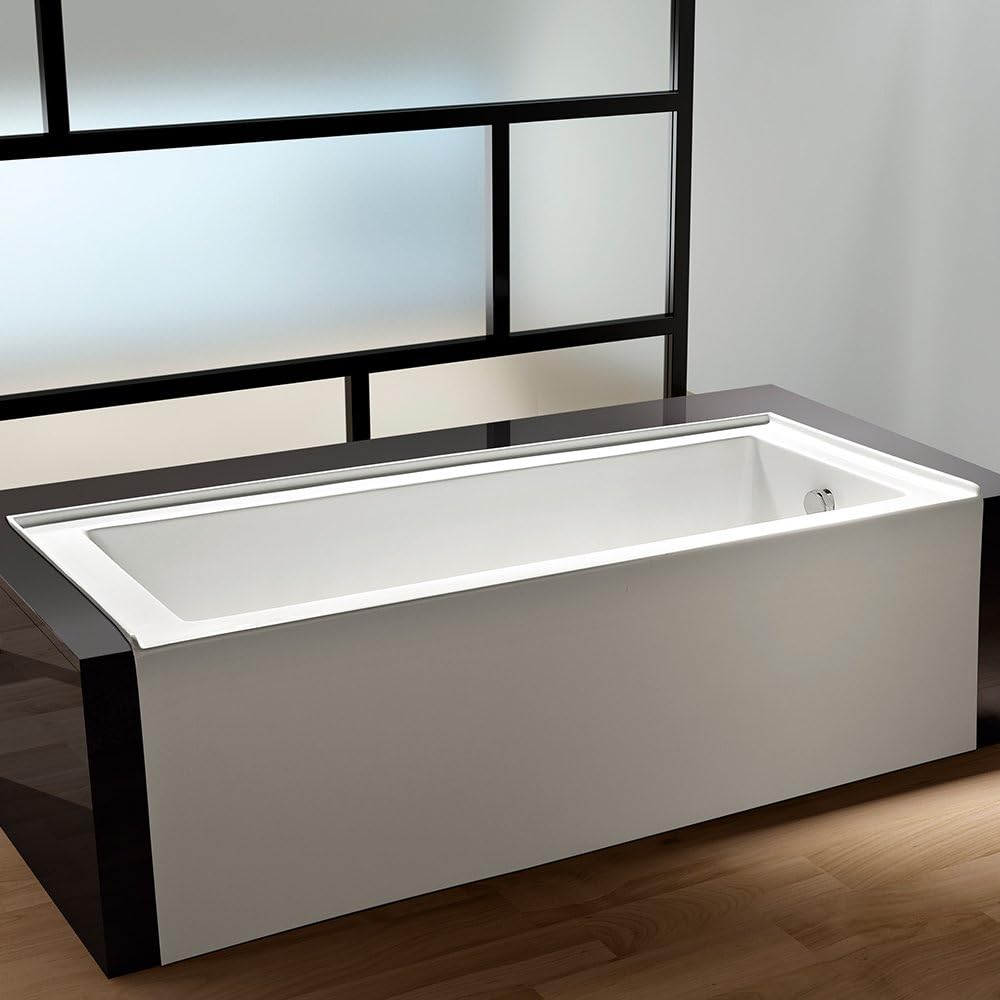
Alcove bathtubs are the most popular type of tub and are usually the most affordable. These tubs are also known as a three-wall-alcove design. They come in a variety of materials, including acrylic, cast iron, and porcelain.
Alcove bathtubs can also be used with a shower curtain or door and are available in different sizes.
Corner Bathtub

These tubs are perfect for saving space and can still give you the luxury of a relaxing bath.
Corner bathtubs are generally made of acrylic or fiberglass and come in a variety of sizes. They can also be quite expensive, so if you are on a budget, then this might not be the right type of tub for you.
Drop-In Bathtub

A large attraction to drop-in bathtubs is the ability for customization. You can have them in different places, like an alcove, a corner, or even set directly on the floor. As you can imagine, it will require a more complex installation.
Walk-in Tub

These tubs have become increasingly popular, especially for the elderly or disabled. They are easy to get in and out of and come with a variety of features that can make your bath time more enjoyable.
Jetted Tubs

All of the bathtubs above are available with jets. Similar to a hot tub, they have perfectly positioned jets that massage the body to alleviate any sore muscles. There are 2 different types of jetted tubs, those being the whirlpool and the air bathtubs.
Whirlpool Tubs

Whirlpool tubs have water jets that are powered by an electric pump. These tubs are great for a relaxing bath and help with relieving sore muscles. However, they can be quite loud.
Air bathtubs

Air bathtubs have air jets that are powered by an electric pump. These tubs are much quieter than the whirlpool tubs and provide a more gentle massage.
Hot Tub

Hot tubs are a luxurious way to relax after a long day. They come in many different shapes and sizes and can be placed indoors or outdoors.
Garden Tub

A garden tub is a great way to add some luxury to your bathroom. They are usually large and can be used for soaking or as a place to relax.
Japanese Style Bathtub

The Japanese Ofuro, or soaking tub, is a popular style that offers a relaxing and peaceful experience. This type of tub has gently sloping walls and a freestanding design that makes it both beautiful and visually striking. It is one of the most popular tub designs available today.
While styles may vary, Japanese soaking tubs usually differ from Western-style tubs in that people do not generally bathe in the tub itself. Instead, a shower first and then enter the tub to soak and relax after they are clean.
Bathtub Materials
There are several different materials used to make bathtubs, each with its advantages and disadvantages. We will discuss the different materials available and help you choose the one that is best for you.
Fiberglass
Fiberglass is the cheapest bathtub material and is made from glass fibers that are woven together and then coated with resin. It is very strong and can be used in a variety of applications, including bathtubs.
Unfortunately, it is a porous material which basically means that it will absorb water and will eventually warp.
Acrylic
Acrylic is made from a solid sheet of material, which is usually made from petrochemicals, stabilizers, resins, fillers, and appropriate dyes. The sheet is then heated and formed into something that looks like a bathtub.
Unlike fiberglass, acrylic is a non-porous material, so it will not warp, and it is also more durable and resistant to chipping and heavy impacts.
Cultured Marble
Cultured marble is made from a mixture of polyester resins and crushed limestone. It is then cast into the desired shape, usually a bathtub. Cultured marble is very strong and resists chipping and cracking.
Porcelain-Enameled Cast Iron or Steel
Cast iron or steel bathtubs are coated with a layer of enameled porcelain. This protects the tub from rust and corrosion and gives it a smooth, glossy finish, resulting in a very durable, long-lasting, and non-porous bathtub.
They usually cost more than other types of bathtubs. You will need to be careful as dropping objects can easily chip the enamel.
Solid Surface
Solid surface is made from a variety of materials, including stone, quartz, acrylic, and resins. It is a non-porous material that is very easy to clean and maintain.
Wood
Wooden bathtubs are becoming increasingly popular due to their natural beauty and feel. They can be made from a variety of different woods, including cedar, teak, and mahogany. Wooden bathtubs require more maintenance than other types of tubs, but they can last for many years with proper care.
Cast Polymer
Cast polymer is a type of composite material made from a mixture of polyester resins and fillers, such as quartz or marble. It is then cast into the desired shape. Cast polymer bathtubs are very strong and durable and require little maintenance.
Glass
Glass bathtubs are a relatively new type of tub that is becoming increasingly popular. They are usually made from tempered glass, which is strong and durable. Glass bathtubs can be very expensive, but they offer a unique look that is sure to turn heads.
Stone Resin
Stone resin is a type of composite material made from a mixture of crushed stone and synthetic resins. It is then cast into the desired shape. Stone resin bathtubs are extremely strong and durable and are relatively inexpensive compared to real stone tubs.
Copper
Copper is a naturally occurring element that has been used for centuries. It is prized for its beauty and durability. Copper bathtubs are usually more expensive than other types of tubs, but they have tons of advantages, from aesthetic to health benefits.
Stainless Steel
Stainless steel is an alloy of iron, carbon, and chromium. It is very strong and durable, making it an ideal material for bathtubs. Stainless steel bathtubs are not cheap.
Bathtub Size
Providing your home has the space for it, a larger tub is usually better. But if space is tight, then you might want to choose a different style of bathtub, like a drop-in tub or an alcove bathtub.
It is important to note that a bigger bathtub will require more water, and you will need to ensure that your current water heating system can handle the extra hot water required, which will most likely drive your water bills up, an important factor when making your decision.
Different types of bathtubs come in smaller sizes. The Japanese soaking style is just one example. It is comfortable to sit in, and you can soak it. The downside is that some people may find the smaller size uncomfortable when compared to a larger-sized tub.
Also Read: Bathtubs Sizes Guide: How To Measure and Find the Right Size Bathtub for Your Home
Bathtub Weight
Weight is another important factor to take into consideration when purchasing a tub, and it will determine where you can safely place the bathtub in your bathroom.
If you decide to choose Cast Iron, Marble, or some other Natural Stone, then weight can be an issue as these materials are quite heavy.
You will need to take your body weight and the weight of the water, so you may need extra support installed, especially if your bathroom is on the second or third floor, which is another expense you will need to consider on top of the bathtub.
Bathtub Installation
Installing a bathtub is not only a challenge but can be quite stressful. Some styles are easier to install, subject to the shape and dimensions, than others.
For example, the installation process on freestanding and corner tubs is far more complicated than on alcove and drop-in tubs. However, this will vary depending on how heavy the tub is as well as the material construction and how the plumbing is configured.
Some bathtubs will come with installation instructions, while others will not. Professional installation can be expensive, but it is worth it if you want the job done right.
Alcove Installation
An alcove bathtub is installed against three walls, with one side visible. Have an ingress or an alcove space ready, and then place your bathtub inside, connecting the plumbing. As these tubs are neither complicated nor large it makes them quite manageable to install with just 1-2 people.
Drop-in Installation
As the name suggests, they simply just drop in and are very easy to install. These bathtubs are usually placed in a pre-built structure similar to the alcove. You may need to hire a professional if you decide to create a shell for the tub.
Freestanding Installation
A freestanding bathtub is a type of bathtub that does not need to be attached to the wall. It can be installed almost anywhere in your home, provided you have a working drain and water source.
Freestanding tubs being the largest in size, can be quite heavy, depending on the material used. The freestanding bathtub design will hold a large volume of water weight, so check that your floor can handle the additional weight before purchasing.
Corner Installation
It is possibly the most complicated tub to install, as they are considerably larger than other bathtubs. Consequently, they also require a bigger area than other bathtubs, which means you will need help with the installation.
Corner bathtubs also have a lot more water settings than other bathtubs, and if you are not confident with how to use the water settings, it may save you time and money in the long run if you have a professional fit for the bathtub.
Bathtub Price
Often the style of the bathtub and the material will determine how cheap or expensive your bathtub will be. Obviously, larger bathtubs will be more expensive than smaller ones. However, this does not mean that a larger bathtub is in any way better quality than a smaller bathtub.
Price By Material
The cheapest material is fiberglass, so the bathtubs made with this material are less expensive, with prices ranging from $200-$500. Acrylic is the next most affordable material, with most bathtubs starting at around $500.
Porcelain is more expensive than acrylic, but there is a wider range of prices, from as low as $300 to as high as $1500. The average price for a normal freestanding bathtub is around $500-$2000.
Cast iron, steel, and copper are the more deluxe options and are not only more hard-wearing than fiberglass, acrylic, or porcelain but are less likely to chip. Cast iron tubs range from $500 to around $2,000. Steel is less expensive, starting at around $300, due to the weight of the material. However, if weight is not an issue, then steel can be an option.
Copper is considered to be the echelon of materials used in the home, from pots and pans to bathtubs. Copper bathtubs are usually custom-made, which is one of the reasons they start at around $1500. Cheaper versions are available but bear in mind that the quality will be inferior and will give you problems in the long run.
Price Per Style
The price is not affected by the style but also the size of the bathtub. The prices are only for the bathtub without installation.
- Freestanding bathtubs can cost anything from $600-3000+.
- Alcove bathtubs are cheaper on average, costing between $400-800. However, the alcove has to be properly prepared, and that can be an extra $300-400.
- The corner bathtub is considered more stylish and comes with more features like a hot tub, so it can be more expensive, typically starting at about $700.
- Drop-ins, as the name suggests, are easier to install, costing between $300-900.
Extra features to consider when getting a bathtub
There are a number of different styles for bathrooms. You can choose a style that is efficient and minimalistic, or go for a vintage or modern, ultimately determining the type of bathtub hardware you choose. Your budget is, of course, also a factor to consider.
Tub Faucets
As with bathtubs, there are a plethora of different types and styles of tub faucets, so it can be hard to choose the right one. There are a few things you will need to consider when choosing a tub faucet that will compliment your new tub, including the faucet material, the type of tub, the water flow rate, and any accessories, like a hand shower. If you would like to know more about the different types of bathtub faucets, please read this.
Lighting
The bathroom is a very important room in the house. It is where people start their day and where they get ready to go out. People don’t realize that bathrooms can be true havens of luxury.
A well-designed bathroom, with proper lighting, can look very luxurious so it is very important to install the correct light fixtures in these safe spaces.
Jets And Bubbles
If, after installing your bathtub, you decide that you want to customize it, know that it is completely possible. You will need to install an overflow drain and place submersible changing LED lights into the tub; alternatively, you can get a Portable Jet Bath Spa.
These electric-powered jets attach to the side of the bathtub via suction and create the feeling of a spa; however, they are not as powerful as an actual hot tub.
Music
These days we use our bathrooms for more than just a shower or to brush our teeth. These rooms have taken a very important role in our lives and have turned into mini-retreats. Having a nice soaking bath with some music playing from your installed speakers is a luxury.
Underfloor Heating
Bathroom underfloor heating is considered to be a luxury, but it is surprisingly affordable. If your bathroom requires a remodel, this is one feature that will make you smile every time you step on your floor.
In Conclusion
Now that you know the different types of bathtubs available, as well as the different materials they are made from, you can begin narrowing down your choices. Consider how much space you have available, as well as how many people will be using the tub regularly.
If you have a large family or entertain often, a bigger tub might be necessary. Thank you for reading.
If you liked this article about how to choose a bathtub, consider checking out these other articles below —
- 6 Ways on How to Clean a Cast Iron Sink Basin or Bathtub and What Products Never to Use
- Different Types of Bathtubs and How To Measure Bathtub Size for a Perfect Fit
- Types of Bathtub Materials: Choose the Right Material for Your Needs
- Everything You Need To Know About the Different Types of Bathtubs
